PERSISTENT ANT INFESTATIONS • KITCHENS & HOMES
How to Get Rid of Ants Permanently: Why Ants Keep Coming Back
Repeated ant trails are frustrating because clearing the visible workers rarely addresses the source. Long-term ant management focuses on identifying access points and colony behaviour, removing conditions that support foraging and choosing an appropriate control method for the species and setting.
Serving enquiries from Kajang, Kuala Lumpur and genuinely covered nearby areas. Tell ALNASS the site type and precise location for service confirmation.
What You Need to Know First
Repeated ant trails are frustrating because clearing the visible workers rarely addresses the source. Long-term ant management focuses on identifying access points and colony behaviour, removing conditions that support foraging and choosing an appropriate control method for the species and setting.
The most useful next step is to separate what you have actually observed from possible explanations. Record visible signs, where they appear, how frequently they recur, changes in site conditions and any previous action. For an office, restaurant or shared building, also identify who can approve access.
Why ants return after spraying
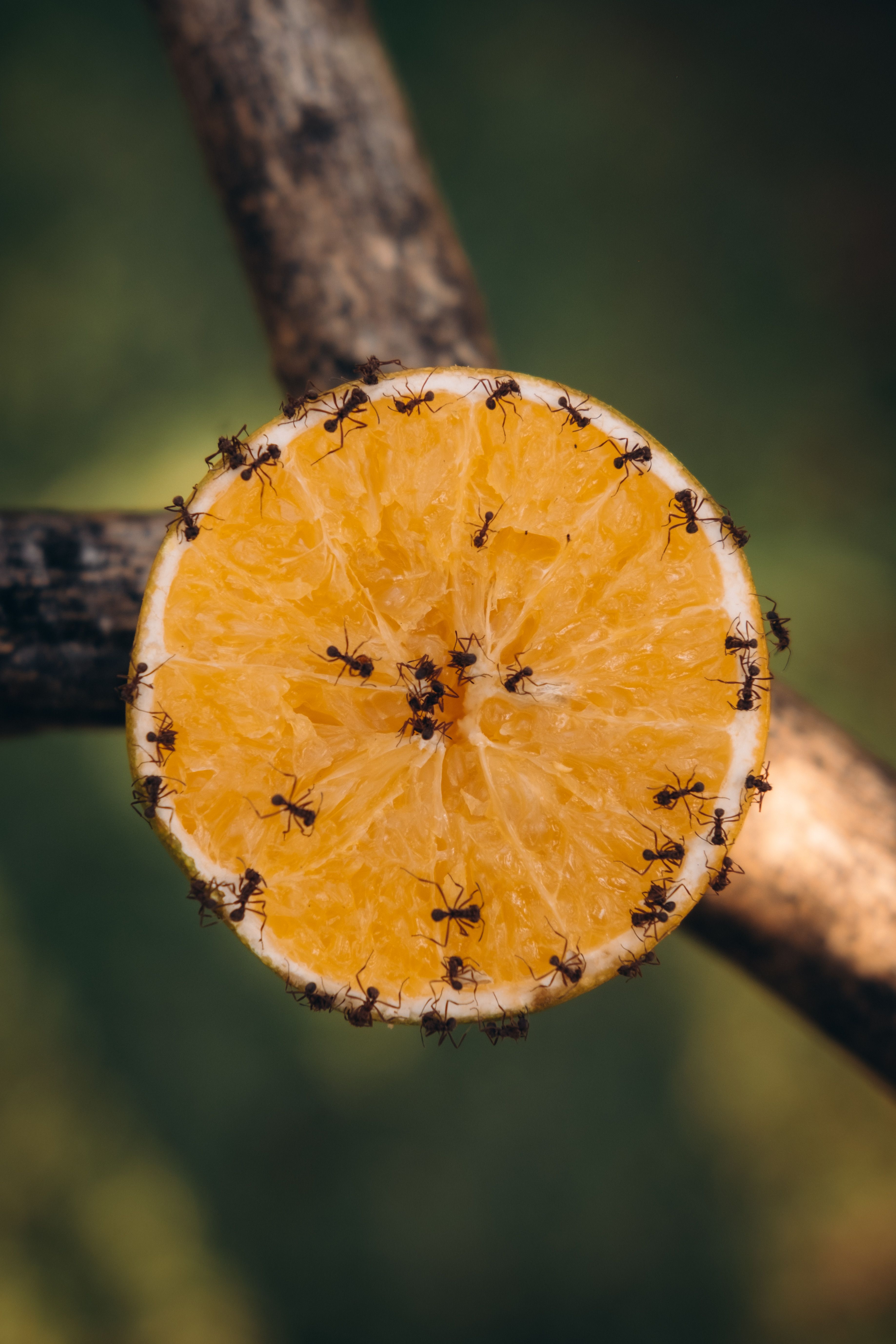
A visible ant trail is only a fraction of the colony. Workers follow chemical trails to reliable food and moisture; wiping away or killing a line of ants can create temporary relief while access points, nests or alternative trails remain.
Some ant species nest outdoors; others may occupy wall voids, cabinets or multiple locations. Unselective repellent spraying can interfere with certain baiting strategies and in some species can worsen dispersal.
Identify the pattern before selecting a treatment
Note the time of day, whether ants follow a consistent line, whether they gather near sweet spills or greasy food, and whether you see them near sinks, windows, electrical routes or garden edges. Identification influences what controls are reasonable; tiny ants are not necessarily all the same species.
If you are comparing next steps, the local service page for Kajang and Kuala Lumpur can help route a relevant enquiry. Local pages should support—not duplicate—the detailed topic guidance here.
Kitchen and pantry prevention
Seal food in closed containers, wipe counters and under small appliances, clean grease residues, remove pet-food leftovers and maintain a practical waste routine. Check cracked grout, leaky taps, condensation and damp cupboard edges.
Use sanitation to reduce attraction without assuming that cleaning alone will remove a well-established colony. Keep food-handling surfaces free from pesticide contamination.
Outdoor and building entry points
Inspect gaps around pipes, door thresholds, window frames and exterior penetrations. Cut back vegetation bridging walls and manage standing moisture where practical. Seal likely entry routes once the pattern is understood, especially if doing so will not trap pests in inaccessible spaces.
If you are comparing next steps, the local service page for Kajang and Kuala Lumpur can help route a relevant enquiry. Local pages should support—not duplicate—the detailed topic guidance here.
When baiting or professional treatment may be appropriate
Baits may work for some ant species when chosen and positioned correctly; they need to be kept away from children, pets and food contact. Never combine different pesticides without label direction.
Persistent multiple-room trails, repeat infestations in a restaurant or office, suspected nests in inaccessible areas, or uncertainty about species are good reasons to ask a professional about an inspection-led approach.
Ants in condos, restaurants and offices
Shared service penetrations and adjoining units can affect apartment infestations. In cafés, kitchens and offices, food-handling practices, staff pantries and refuse areas may be relevant. Management coordination can matter when the source is outside the individual room or tenancy.
What does permanently really mean?
No responsible provider can promise that ants will never return to a property. Prevention, suitable treatment and periodic reassessment can lower repeat activity, but new colonies may enter when conditions change.
What the Problem Looks Like in Different Property Types
- Landed houses: Observe interior signs, exterior access points, moisture, garden conditions, storerooms and service penetrations; avoid assuming that a visible symptom represents the entire property.
- Apartments and condominiums: Check unit-level evidence and relevant shared plumbing, corridors and waste infrastructure; coordinate with the management body for common property access. See apartment & condo pest control.
- Restaurants and cafés: Food preparation, storage, waste, deliveries and customer spaces require a site-specific discussion. See restaurant pest management.
- Offices and shops: Pantries, washrooms, staff zones, false ceilings and building-managed areas can complicate access and recurrence. See commercial pest control.
ALNASS Service Areas: Where to Ask for Help
ALNASS is based in Taman Prima Saujana, Kajang and has a published Kuala Lumpur business location. For the right local starting point, see pest control in Kajang or pest control in Kuala Lumpur. Customers can also explore the existing service-area pages for Cheras, Bangi, Cyberjaya, Putrajaya, Ampang, Seremban. Confirm scheduling and exact coverage for your address; a listed service area is not a promise of immediate availability.
In and around KL, customers may be located in places such as Setapak, Wangsa Maju or Melawati; in Selangor, enquiries may involve Kajang, Bangi, Cheras, Ampang, Cyberjaya, Putrajaya and neighboring areas. These are geographic enquiry contexts—not new office addresses or unconditional service guarantees. Share your postcode to confirm coverage.
Related Services & Useful ALNASS Resources
- Professional ant control — use the linked page for the specific service or local detail.
- Restaurant pest control — use the linked page for the specific service or local detail.
- Apartment pest control — use the linked page for the specific service or local detail.
- Cockroach kitchen prevention — use the linked page for the specific service or local detail.
- Pest control Kajang
- Pest control Kuala Lumpur
- Commercial pest control
- Pest control pricing guide
What to Include When Requesting a Quote
For a useful enquiry, share the property type, town/postcode, where the signs occur, when they started, photographs if safe to take, any previous treatment, and whether the problem is getting worse. ALNASS can discuss the appropriate next step and quotation scope. Call 1-700-82-9991 or WhatsApp 012-547 8081.
Questions worth asking include: What problem is confirmed versus suspected? Which areas are in scope? Is inspection needed first? What preparation and safety instructions apply? How will follow-up or ongoing prevention be explained? What is excluded? A final approach depends on the actual site, not on a keyword searched online.
Frequently Asked Questions
Why do ants keep appearing in my kitchen?
Accessible food, water, entry routes and nearby nesting areas may sustain repeat foraging.
Does vinegar kill an entire ant colony?
Cleaning can disrupt trails, but it is not a reliable solution for every colony or infestation.
Should I spray the ants or use bait?
The better approach depends on species, infestation context and product instructions. Avoid mixing methods indiscriminately.
Are tiny ants always harmless?
Species vary; some contaminate food, sting or create persistent nuisance. Identify the problem first.
Can ants travel between condo units?
Yes, shared penetrations and common spaces can provide routes, depending on the species and building.
Can ALNASS help with recurring ants?
ALNASS has an ant-control service page. Share where and how often trails appear to discuss service suitability.
Will one treatment stop ants forever?
No permanent prevention can be guaranteed because new colonies can enter over time.
Talk to ALNASS About Your Property
Send your area, property type, signs and affected zone. ALNASS can explain the appropriate service discussion and quotation process. Never rely on an online guide alone if you suspect significant building damage, health risk or a hazardous situation.